
low platelet count treatment in Indore
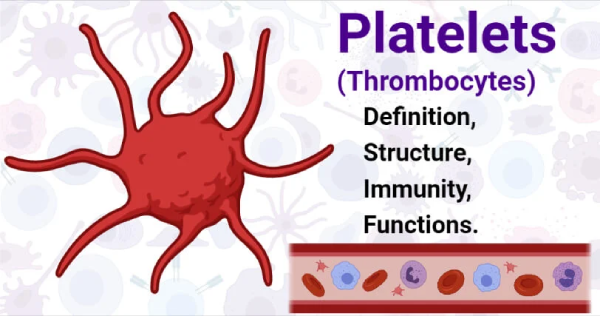
What Are Platelets?
Causes of Low Platelet Count (Thrombocytopenia)
Having low platelets, known as thrombocytopenia, can happen for different reasons, such as:
Blood Disorders
Diseases like leukemia, lymphoma, and aplastic anemia can lower platelet production.
Bone Marrow Problems
The bone marrow makes platelets, and if it’s damaged due to conditions like blood cancer, fewer platelets are produced.
Autoimmune Diseases
In some cases, the body’s immune system attacks its own platelets, causing conditions like immune thrombocytopenia (ITP).
Symptoms of Low Platelets
When your platelet count is low, your body struggles to stop bleeding disorder, leading to symptoms like:
Easy Bruising
You get bruises from minor bumps.
Frequent Nosebleeds
Your nose bleeds often without any clear reason.
Prolonged Bleeding
Small cuts take longer to stop bleeding.
Bleeding Gums
You may notice blood when brushing your teeth.
Internal Bleeding
In serious cases, low platelets can cause dangerous internal bleeding.
What Level of Platelets Is Dangerous?
A platelet count below 150,000 is considered low, and this condition is known as thrombocytopenia. Here are some levels:
Mild thrombocytopenia
100,000 – 150,000 platelets per microliter. You may not have any symptoms at this level, but it's important to monitor.
Moderate thrombocytopenia
50,000 – 100,000 platelets per microliter. You may notice some bruising and bleeding, especially after injuries.
Severe thrombocytopenia
Below 50,000 platelets per microliter. At this level, bleeding becomes much more dangerous. Even minor cuts can result in excessive blood loss.
Critical level
Below 20,000 platelets per microliter. Internal bleeding can occur at this level, and even without injury, you may experience life-threatening bleeding in the brain or intestines.
How to Increase Platelets
There are different ways to increase platelet levels, depending on the cause of the low platelet count. Some common methods include:
Diet
Foods rich in Vitamin C, Vitamin B12, folate, and iron are beneficial. Examples include:
- Leafy greens like spinach and kale
- Fruits like oranges, papaya, and kiwi
- Iron-rich foods such as lentils, beans, and red meat
Medications
In cases like immune thrombocytopenia (ITP), doctors may prescribe corticosteroids or other drugs to help increase platelet levels.
Normal Range of Platelet
The normal platelet range in healthy individuals is between 150,000 to 450,000 platelets per microliter of blood. If your platelet count is within this range, your body can typically handle normal cuts and injuries without excessive bleeding.
How Are Platelet Disorders Treated?
Treatment for platelet disorders depends on what’s causing them. Common treatments include:
Medications
Drugs like corticosteroids help stop the immune system from attacking platelets in conditions like ITP.
Platelet Transfusions
For very low platelet counts, a transfusion can temporarily boost platelet levels.
Bone Marrow Transplant
In severe cases, like blood cancers or bone marrow failure, a bone marrow transplant might be needed.
If you have symptoms of low platelets, it’s important to see a hematologist doctor who specializes in blood disorders. Dr Akshay Lahoti, a top hematologist doctor in Indore, works at Medicare Hospital. With 7 years of experience in treating blood diseases, he has performed over 100 successful bone marrow transplants, with high success rates matching international standards.
Recovery from Platelet Disorders
Mild cases like ITP may improve with medication in weeks to months, while severe cases may need transfusions or bone marrow transplants. For expert care, choose low platelet count treatment in Indore with the best hematologist in Indore for low platelets.
Many people recover successfully from platelet disorders. For example, 80% of patients with ITP respond well to first-line treatments like steroids.
Platelets are essential for controlling bleeding disorder and maintaining healthy blood function. When there are issues with platelet production or function, it can lead to serious health risks. It’s important to consult a hematologist doctor in Indore. Dr Akshay Lahoti, at Medicare Hospital.
Frequently Asked Questions
Low platelet count can be caused by a variety of conditions, including blood cancers like leukemia, autoimmune diseases such as immune thrombocytopenia (ITP), infections, and bone marrow disorders.
Eating foods rich in vitamins C, B12, and iron, such as leafy greens, citrus fruits, and beans, can help increase platelet count naturally. However, severe cases may require medical treatment.
A platelet count below 50,000 is considered dangerous and can cause spontaneous bleeding. If your count drops below 20,000, immediate medical attention is needed to avoid life-threatening bleeding.
Common symptoms of low platelets include easy bruising, frequent nosebleeds, prolonged bleeding from small cuts, and blood in urine or stools. If you experience these symptoms, it’s important to consult a hematologist.
Recovery time depends on the cause and severity of the condition. Mild cases may recover in a few weeks with medication and dietary changes, while more serious conditions, like blood cancers, may require months and intensive treatment.