Hemoglobinopathy
What is Hemoglobinopathy?
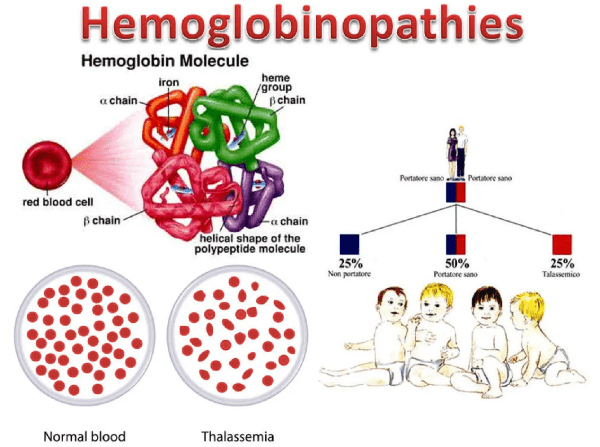
Hemoglobinopathy happens when there is a problem with hemoglobin, the protein in red blood cells that helps carry oxygen. The two most common types of hemoglobinopathies are:
- Sickle Cell Disease: In this condition, red blood cells become crescent-shaped (like a sickle) and can block blood flow, causing pain and damage to organs.
- Thalassemia: This disorder means the body can’t make enough healthy hemoglobin, which leads to severe anemia and extreme tiredness.
Other related conditions, such as lymphoma and anemia, can also come from issues with hemoglobin. These conditions are passed down from parents to their children through genes.
How Common is Hemoglobinopathy?
Hemoglobinopathy is more common in certain parts of the world, especially in India. Thousands of people in India are affected by sickle cell disease and thalassemia. Many people don’t even know they carry the gene for these conditions, which is why genetic counselling is important.
In Indore, specialists like Dr Akshay Lahoti, a leading blood cancer doctor, have extensive experience in treating these disorders at Medicare Hospital, located at Palasia, offers advanced care and genetic testing to help families understand their risk.
Causes of Hemoglobinopathy
Hemoglobinopathies are caused by mutations (changes) in the genes that make hemoglobin. If both parents carry the gene that is defective, their child is more likely to develop the illness. While these genetic mutations can’t be prevented, early diagnosis and treatment can help avoid complications.
Symptoms of Hemoglobinopathy
The symptoms of hemoglobinopathy can vary depending on the type of disorder, but common symptoms include:
Feeling very tired all the time (chronic fatigue)
Low red blood cell count (anemia)
Pain in the joints and bones.
Skin and eyes gets yellow (jaundice)
Slow growth and development in children
Treatment Options
The treatment for hemoglobinopathy depends on how the condition is. Common treatments include:
Blood Transfusions
People with severe anemia may need regular transfusions to maintain healthy red blood cells.
Iron Chelation Therapy
This treatment helps remove extra iron from the body, which can build up after many blood transfusions.
Bone Marrow Transplant
For some patients, a bone marrow transplant can be a cure. This treatment involves replacing the patient's diseased bone marrow with healthy marrow from a donor.
Medications
Some medicines can help control symptoms and boost the body’s ability to make healthy blood cells.
Advantages and Disadvantages of Treatment
Treating hemoglobinopathy has many advantages. With regular care, patients can manage their symptoms, avoid serious complications, and live longer, healthier lives. Bone marrow transplants, when successful, offer a permanent cure for some people.
There are disadvantages too. Blood transfusions need to be done regularly for life and can lead to iron overload, which can damage organs. Bone marrow transplants also come with risks, such as the chance of the body rejecting the new marrow. Additionally, finding a suitable donor can be difficult.
Recovery Rate
Thanks to modern treatments, the survival rate for people with hemoglobinopathies has greatly improved. In the past, severe conditions like sickle cell disease often led to early death, but now, with treatments like blood transfusions and medications, many patients live well into adulthood. Bone marrow transplants can further improve survival rates, and many patients fully recover from even the most severe forms of the disease.
At Medicare Hospital in Indore, Dr Akshay Lahoti, one of the best doctors for blood cancer, specializes in these treatments
Frequently Asked Questions
Hemoglobinopathy is inherited through genes. If both parents carry a mutated gene, their child has a higher chance of developing the condition.
Common symptoms include chronic fatigue, anemia (low red blood cell count), pain in joints and bones, jaundice (yellowing of the skin and eyes), and slow growth in children.
Hemoglobinopathy is quite common in India, affecting thousands of individuals, particularly those with sickle cell disease and thalassemia.
While treatments can be beneficial, risks include iron overload from blood transfusions and potential rejection of transplanted marrow during a bone marrow transplant.