
Blood disorders can affect your overall health in ways that are not always immediately noticeable. Persistent tiredness, unexplained bruising, frequent infections, or unusual bleeding may sometimes indicate an underlying problem with your blood cells. If you are experiencing these symptoms, consulting a Hematologist in Indore can help identify the cause and determine whether further investigation is necessary. Dr. Akshay Lahoti, associated with Medicare Hospital and Research Centre, Old Palasia, Ravindra Nagar, Indore, provides consultation and treatment for various blood-related conditions, including anemia, platelet disorders, blood cancers, and other hematological diseases.
Many people associate blood disorders only with serious conditions such as leukemia or lymphoma. However, hematology covers a much wider range of medical concerns, including low hemoglobin, abnormal blood cell counts, clotting problems, and nutritional deficiencies. Understanding the early warning signs can help you recognize when routine symptoms require medical attention. In this article, we will discuss seven important signs of blood disorders, their possible causes, diagnostic approaches, and when consulting a blood specialist may be beneficial.
What Is a Hematologist, and What Conditions Do They Treat?
A hematologist is a medical doctor who specializes in diagnosing, managing, and treating diseases affecting the blood, bone marrow, and lymphatic system. Blood contains three major cellular components: red blood cells, white blood cells, and platelets. Each performs an essential function in maintaining health. Red blood cells carry oxygen throughout the body, white blood cells help protect against infections, and platelets support normal blood clotting. When the production, function, or quantity of these components becomes abnormal, different health problems may develop. A Blood Disorder Specialist in Indore evaluates these abnormalities through medical history, physical examination, laboratory investigations, and other diagnostic procedures when required.
Some commonly treated conditions include:
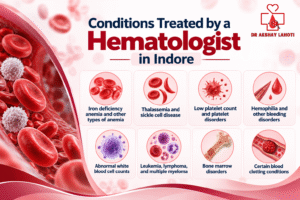
- Iron deficiency anemia and other types of anemia
- Thalassemia and sickle cell disease
- Low platelet count and platelet disorders
- Hemophilia and other bleeding disorders
- Abnormal white blood cell counts
- Leukemia, lymphoma, and multiple myeloma
- Bone marrow disorders
- Certain blood clotting conditions
Dr. Akshay Lahoti provides hematology consultations for patients experiencing these conditions and other blood-related health concerns.
Understanding When to See a Hematologist is particularly important when symptoms persist, laboratory results remain abnormal, or a blood condition requires further investigation.
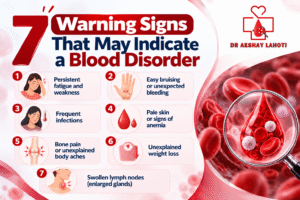
7 Warning Signs That May Indicate a Blood Disorder in Indore
Not every unusual symptom indicates a serious medical condition. However, certain symptoms should not be ignored, particularly when they occur repeatedly, worsen over time, or appear together.
The following are seven important Signs of Blood Disorders that may require medical evaluation.
1. Persistent Fatigue and Unexplained Weakness
Feeling tired after a demanding day is normal. However, fatigue that continues despite adequate sleep and rest may indicate an underlying health problem. One possible explanation is anemia, a condition in which the body has insufficient healthy red blood cells or hemoglobin to transport oxygen effectively. Common Low Hemoglobin Symptoms include persistent tiredness, weakness, dizziness, headaches, reduced exercise tolerance, and shortness of breath during routine activities. Anemia may develop due to iron deficiency, vitamin B12 deficiency, chronic disease, blood loss, or certain bone marrow conditions.
A complete blood count (CBC) is commonly used to evaluate hemoglobin levels and other blood parameters. Depending on the findings, additional investigations may include iron studies, vitamin B12 levels, folate testing, and other relevant examinations. If fatigue continues without a clear explanation, consulting a Hematologist in Indore may help determine whether a blood-related condition is contributing to your symptoms. Dr. Akshay Lahoti evaluates the possible causes of anemia and other blood disorders before recommending an appropriate management plan.
2. Unexplained Bruising or Frequent Bleeding
Bruising usually develops after an injury. However, bruises appearing repeatedly without a noticeable injury may require medical attention. Similarly, frequent nosebleeds, bleeding gums, prolonged bleeding after minor cuts, or unusually heavy menstrual bleeding can sometimes indicate an underlying bleeding disorder. Unexplained Bruising and Bleeding may occur due to low platelet counts, abnormalities in platelet function, clotting factor deficiencies, certain medications, or other medical conditions. Platelets are responsible for helping the blood form clots. When platelet levels become significantly reduced or their function is impaired, normal clot formation may be affected. A Blood Specialist in Indore may recommend platelet count testing, peripheral blood smear examination, and clotting investigations depending on the patient’s symptoms. Dr. Akshay Lahoti assesses bleeding-related concerns and helps identify whether they are associated with platelet disorders or other hematological conditions. Persistent or excessive bleeding should never be ignored. Heavy bleeding that does not stop requires immediate medical attention.
3. Frequent Infections or Recurrent Fever
White blood cells play an essential role in protecting the body against infections. When their number or function becomes abnormal, the immune system may not respond effectively to certain infections. Repeated infections, persistent fever, frequent mouth ulcers, or infections that take unusually long to resolve may sometimes be associated with white blood cell abnormalities.
These Symptoms of Blood Disorders can occur in conditions such as neutropenia, certain bone marrow diseases, or blood cancers. However, recurrent infections can also have many non-hematological causes. A complete blood count with differential helps evaluate different types of white blood cells and identify possible abnormalities.
Further investigations depend on the clinical findings and the patient’s medical history. Consulting a Hematologist in Indore may be appropriate when recurrent infections occur alongside unexplained changes in blood counts. Dr. Akshay Lahoti evaluates abnormal blood parameters to determine whether further hematological investigation is required. Patients undergoing chemotherapy or those with known low white blood cell counts should seek prompt medical advice if they develop a fever.
4. Unexplained Weight Loss and Night Sweats
Unexpected weight loss without significant changes in diet or physical activity should be medically evaluated, particularly when accompanied by other persistent symptoms. Some people may also experience excessive sweating during sleep, recurring fever, reduced appetite, or unusual tiredness.
Although these symptoms can develop due to infections, hormonal conditions, and several other health problems, they may occasionally be associated with hematological diseases such as lymphoma or leukemia. These conditions affect the blood-forming or lymphatic systems and may produce symptoms that develop gradually.
A Blood Disorder Specialist in Indore may consider additional investigations when unexplained weight loss occurs alongside abnormal blood test results, enlarged lymph nodes, or persistent fever. Dr. Akshay Lahoti assesses the patient’s overall clinical condition before determining whether specialized hematological testing is necessary. Early evaluation helps identify possible causes rather than allowing unexplained symptoms to continue without investigation.
5. Swollen Lymph Nodes That Do Not Resolve
Lymph nodes are small structures that form part of the immune system. They are commonly found in the neck, armpits, groin, and other areas of the body. Temporary lymph node swelling often develops during infections and may resolve as the infection improves. However, lymph nodes that remain enlarged, continue growing, or occur alongside fever, night sweats, or unexplained weight loss should be examined by a doctor.
Persistent lymph node enlargement can have several causes, including infections, inflammatory conditions, and certain blood-related cancers. A Hematologist Consultation may be recommended when initial examinations suggest a possible hematological condition. Depending on the findings, investigations may include blood tests, imaging studies, or a lymph node biopsy.
Dr. Akshay Lahoti evaluates relevant symptoms and diagnostic reports to help determine whether a blood or lymphatic system disorder requires further assessment. It is important to understand that swollen lymph nodes do not automatically indicate cancer. Their significance depends on their size, location, duration, associated symptoms, and examination findings.
6. Abnormal Blood Test Results
Sometimes, blood disorders are identified during routine health examinations before noticeable symptoms develop. A complete blood count measures important parameters, including hemoglobin, red blood cells, white blood cells, and platelets. An Abnormal Blood Count may indicate several possibilities, ranging from temporary changes caused by infection to nutritional deficiencies or more complex hematological conditions.
Some findings that may require additional assessment include:
- Persistently low hemoglobin
- Unusually high or low white blood cell counts
- Reduced or elevated platelet counts
- Abnormal red blood cell size or appearance
- Unexplained changes in multiple blood cell parameters
An abnormal result does not necessarily indicate a serious disease. However, persistent or unexplained abnormalities should be interpreted in the context of symptoms, previous reports, medications, and medical history. A Hematologist in Indore can help investigate these findings and determine whether further testing is necessary. Dr. Akshay Lahoti reviews relevant blood reports and may recommend additional investigations when clinically indicated.
7. Breathlessness, Dizziness, or Unusual Paleness
Shortness of breath during routine activities, frequent dizziness, or unusual paleness may sometimes develop when the body’s oxygen-carrying capacity is reduced. One possible cause is anemia, particularly when hemoglobin levels fall significantly. Other associated symptoms may include headaches, palpitations, reduced physical endurance, and difficulty performing activities that were previously comfortable. However, these symptoms may also be related to heart, lung, neurological, or other medical conditions.
A Blood Specialist in Indore can evaluate whether changes in blood parameters are contributing to these concerns. Dr. Akshay Lahoti may recommend appropriate blood investigations and further evaluation depending on the patient’s symptoms and medical history. Sudden or severe breathlessness, chest pain, fainting, or significant weakness requires urgent medical attention rather than waiting for a routine appointment.
What Causes Blood Disorders?
Blood disorders can develop due to several factors. Some are inherited, while others occur later in life due to nutritional deficiencies, medical conditions, infections, or abnormalities affecting blood cell production. Understanding the underlying cause is essential because different blood disorders require different treatment approaches.
Common contributing factors include:
Nutritional deficiencies: Inadequate iron, vitamin B12, or folate may interfere with normal red blood cell production and contribute to anemia.
Inherited conditions: Genetic disorders such as thalassemia, sickle cell disease, and certain bleeding disorders may affect blood cell structure, hemoglobin production, or clotting function.
Bone marrow abnormalities: Since bone marrow produces blood cells, disorders affecting its function may alter red blood cell, white blood cell, or platelet production.
Chronic medical conditions: Kidney disease, autoimmune conditions, chronic inflammation, and certain infections can affect normal blood cell production or survival.
Medication-related changes: Some medicines may influence platelet function, clotting, or blood cell counts. A qualified Blood Disorder Specialist in Indore evaluates these possibilities based on individual clinical findings. Dr. Akshay Lahoti focuses on identifying the underlying condition before recommending suitable investigations or treatment.
How Are Blood Disorders Diagnosed?
Accurate Blood Disorder Diagnosis involves more than identifying whether a particular blood count is high or low. A hematologist considers symptoms, medical history, physical examination findings, and laboratory results together. The diagnostic process commonly begins with a detailed discussion of symptoms, their duration, previous illnesses, family history, medication use, and available medical reports.
Depending on the suspected condition, investigations may include the following.
Complete Blood Count (CBC)
A CBC measures red blood cells, white blood cells, hemoglobin, and platelets. It is one of the most commonly used tests in hematology.
Peripheral Blood Smear
This examination allows blood cells to be assessed under a microscope. It can provide additional information about their appearance, size, and structure.
Iron, Vitamin B12, and Folate Tests
These investigations help identify nutritional deficiencies that may contribute to anemia or other blood-related abnormalities.
Coagulation Profile
Tests such as PT and aPTT may help investigate suspected abnormalities in the blood clotting process.
Bone Marrow Examination
In selected cases, a bone marrow aspiration or biopsy may be recommended to evaluate blood cell production or investigate certain hematological conditions. Not every patient requires advanced investigations. Dr. Akshay Lahoti recommends diagnostic evaluation according to the patient’s symptoms, examination findings, and available reports. Consulting a Hematologist in Indore can help patients understand the significance of abnormal blood results and whether specialized testing is needed.
Why Should Persistent Blood-Related Symptoms Not Be Ignored?
Many blood disorders develop gradually, and their early symptoms may resemble common health problems. For example, fatigue may initially be attributed to stress, while mild bruising or occasional dizziness may appear insignificant. However, persistent symptoms deserve attention when they cannot be explained by routine lifestyle factors or an existing medical condition.
Recognizing the Signs of Blood Disorders and seeking timely evaluation can help identify conditions such as nutritional anemia, platelet abnormalities, inherited blood diseases, and certain bone marrow disorders. Early medical assessment may also reduce delays in diagnosing conditions that require specialized management.
This does not mean every symptom requires extensive testing. Rather, patients should seek appropriate medical advice when symptoms persist, worsen, or occur together.Dr. Akshay Lahoti helps patients understand their blood reports and the possible reasons behind concerning symptoms.
Treatment Options for Different Blood Disorders
Blood Disease Treatment in Indore depends on the specific diagnosis, disease severity, associated medical conditions, and individual patient requirements. There is no single treatment suitable for every blood disorder. For example, iron deficiency anemia may require iron replacement and investigation of the underlying cause, while vitamin B12 deficiency may need appropriate supplementation.
Certain inherited blood disorders require long-term monitoring and supportive management. Platelet and clotting disorders may need specialized treatment based on their underlying mechanism and severity. For blood cancers such as leukemia, lymphoma, and multiple myeloma, treatment may involve chemotherapy, targeted therapy, immunotherapy, or other disease-specific approaches.
In selected hematological conditions, a bone marrow transplant may also be considered after detailed medical evaluation. Dr. Akshay Lahoti provides consultation and management for a range of hematological conditions, helping patients understand the available treatment approaches. Patients should avoid starting iron supplements, blood-thinning medicines, or other treatments solely on the basis of symptoms without appropriate medical advice.
Consult Dr. Akshay Lahoti for Blood Disorder Evaluation in Indore
If you are experiencing persistent fatigue, unexplained bleeding, recurrent infections, or unusual blood test results, seeking a medical consultation can help clarify the possible cause. Dr. Akshay Lahoti is a hematologist associated with Medicare Hospital and Research Centre, Old Palasia, Ravindra Nagar, Indore. His clinical focus includes the evaluation and management of anemia, platelet disorders, inherited blood diseases, blood cancers, and other hematological conditions. Patients looking for a Hematologist in Indore can consult Dr. Akshay Lahoti for assessment of persistent blood-related symptoms and abnormal laboratory findings. A consultation generally involves reviewing medical history, discussing symptoms, examining relevant reports, and determining whether additional investigations are required. The purpose of evaluation is to establish an appropriate diagnosis and develop a management plan based on the patient’s individual condition.
Frequently Asked Questions – Hematologist in Indore
1. When should I consult a Hematologist in Indore?
You should consider consulting a Hematologist in Indore if you experience persistent fatigue, unexplained bruising, recurrent bleeding, frequent infections, or abnormal blood test results that require further investigation. A hematology consultation may also be recommended by your physician when a suspected blood disorder needs specialized evaluation. Dr. Akshay Lahoti provides consultations at Medicare Hospital and Research Centre, Old Palasia, Ravindra Nagar, Indore, for patients with various blood-related conditions.
2. What are the early signs and symptoms of blood disorders?
The early Signs of Blood Disorders may include persistent weakness, unusual tiredness, frequent infections, unexplained bruising, excessive bleeding, dizziness, or swollen lymph nodes. However, Symptoms of Blood Disorders vary depending on the condition and the blood components affected. For example, anemia may cause fatigue and breathlessness, while platelet abnormalities may result in unusual bruising or bleeding. Because these symptoms can also occur in other medical conditions, proper evaluation is important before reaching a diagnosis.
3. Can low hemoglobin cause weakness and shortness of breath?
Yes. Common Low Hemoglobin Symptoms include fatigue, weakness, dizziness, headaches, paleness, and shortness of breath, particularly during physical activity. Hemoglobin helps red blood cells transport oxygen throughout the body. When hemoglobin levels become low, oxygen delivery may be reduced. The severity of symptoms depends on several factors, including the degree of anemia, how quickly it develops, and the patient’s overall health. Dr. Akshay Lahoti evaluates possible causes of anemia and recommends appropriate investigations based on individual findings.
4. Does an abnormal CBC report always indicate a serious blood disorder?
No. An Abnormal Blood Count does not automatically mean that a person has a serious disease. Blood cell levels can change due to infections, nutritional deficiencies, medications, inflammation, and other temporary or chronic conditions. However, persistent abnormalities, significant changes, or unusual combinations of findings may require further investigation. A Blood Disorder Specialist in Indore can interpret these results alongside symptoms, previous reports, and medical history. Dr. Akshay Lahoti may recommend additional tests when necessary to identify the underlying cause.
5. What causes unexplained bruising and bleeding?
Unexplained Bruising and Bleeding can occur due to reduced platelet counts, abnormal platelet function, clotting factor deficiencies, certain medications, or other medical conditions. Frequent nosebleeds, bleeding gums, unusually heavy menstrual bleeding, and prolonged bleeding after minor injuries are symptoms that should be discussed with a doctor. A hematologist may recommend a CBC, platelet assessment, and coagulation tests depending on the clinical presentation. Heavy or uncontrolled bleeding requires immediate medical care.
6. What happens during a hematologist consultation?
During a Hematologist Consultation, the doctor reviews your symptoms, medical history, previous blood reports, medication use, and relevant family history. A physical examination may be performed, followed by recommendations for additional investigations when needed. The purpose is to identify whether symptoms are associated with a blood disorder and determine the most appropriate next steps. Patients consulting Dr. Akshay Lahoti should bring their available CBC reports, previous investigations, prescriptions, and relevant medical records to support a detailed evaluation.
7. What types of blood disorders can Dr. Akshay Lahoti treat?
Dr. Akshay Lahoti provides consultation and management for several hematological conditions, including anemia, thalassemia, sickle cell disease, platelet disorders, leukemia, lymphoma, multiple myeloma, and selected bone marrow conditions. The approach to Blood Disease Treatment in Indore depends on the confirmed diagnosis, severity, and individual clinical requirements. Some conditions require nutritional treatment or regular monitoring, while others may need specialized medicines or advanced hematological care.
8. When should I see a blood specialist instead of a general physician?
Understanding When to See a Hematologist depends on the nature of your symptoms and initial medical findings. A general physician can evaluate many common symptoms and order initial blood investigations. However, a specialist consultation may be recommended when blood abnormalities persist, the diagnosis remains unclear, or a complex hematological condition is suspected. A Blood Specialist in Indore can provide further assessment of unexplained blood count changes, recurrent bleeding, inherited blood disorders, and other hematological concerns.
9. Where can I consult Dr. Akshay Lahoti in Indore?
Patients seeking a Hematologist in Indore can consult Dr. Akshay Lahoti at Medicare Hospital and Research Centre, Old Palasia, Ravindra Nagar, Indore. Patients experiencing persistent blood-related symptoms or requiring further assessment of abnormal blood reports can seek an appointment for appropriate medical evaluation. It is advisable to confirm consultation availability before visiting.
Conclusion – Hematologist in Indore
Blood disorders may present through symptoms that initially appear ordinary, such as persistent fatigue, unexplained bruising, recurrent infections, or dizziness. Recognizing these warning signs and seeking medical evaluation when necessary can help identify the underlying cause. Not every abnormal blood report indicates a serious condition, but persistent symptoms and unexplained laboratory findings deserve appropriate attention. If you are looking for a Hematologist in Indore, Dr. Akshay Lahoti provides consultation for a range of blood-related conditions at Medicare Hospital and Research Centre, Old Palasia, Ravindra Nagar, Indore. Timely evaluation, an accurate diagnosis, and condition-specific management are important steps toward maintaining better blood health.