
Blood Cancer Doctor in Indore is a broad term used for cancers that begin in blood-forming tissues such as the bone marrow or in cells of the immune system. Common blood cancers include leukemia, lymphoma, and multiple myeloma.
The early symptoms of blood cancer can sometimes look similar to common infections, anemia, fatigue, or other health problems. This is why persistent or unexplained symptoms should not be ignored. If symptoms continue for several weeks, medical evaluation can help identify the actual cause.
Dr. Akshay Lahoti is an experienced hematologist in Indore who specializes in the diagnosis and management of blood disorders and blood cancers. He provides care for conditions including leukemia, lymphoma, sickle cell anemia, multiple myeloma, and other complex hematological disorders.
This blog explains the important Blood Cancer Warning Signs, common symptoms, different types of blood cancer, diagnosis, treatment options, and when you should consult a specialist.
About Dr. Akshay Lahoti – Experienced Hematologist Doctor in Indore
Dr. Akshay Lahoti is a highly experienced Hematologist Doctor in Indore specializing in blood disorders and blood cancers. He has worked at several reputed medical institutions, including Choithram Hospital in Indore, Sanjay Gandhi Post Graduate Institute of Medical Sciences, AIIMS, and Tata Medical Center.
With more than 7 years of experience and over 100 successful bone marrow transplants, Dr. Lahoti focuses on providing evidence-based care for patients with complex blood disorders.
His areas of expertise include:
- Leukemia
- Lymphoma
- Multiple myeloma
- Sickle cell anemia
- Chronic myeloid leukemia
- Other blood disorders
- Blood cancer management
- Bone marrow transplantation
- Hematological conditions
Patients looking for a Blood Cancer Doctor in Indore can benefit from detailed evaluation, appropriate diagnostic testing, and individualized treatment planning.
What Is Blood Cancer?
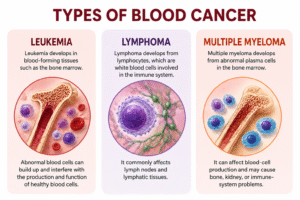
Blood cancer refers to a group of cancers that develop in blood-forming tissues, bone marrow, or cells of the immune system. Major types include leukemia, lymphoma, and multiple myeloma.
Leukemia
Leukemia develops in blood-forming tissues such as the bone marrow. Abnormal blood cells can build up and interfere with the production and function of healthy blood cells.
Lymphoma
Lymphoma develops from lymphocytes, which are white blood cells involved in the immune system. It commonly affects lymph nodes and lymphatic tissues.
Multiple Myeloma
Multiple myeloma develops from abnormal plasma cells in the bone marrow. It can affect blood-cell production and may cause bone, kidney, or immune-system problems.
Because these cancers are different, their symptoms, investigations, and treatment approaches can also differ.
Blood Cancer Warning Signs You Should Never Ignore
Recognizing Blood Cancer Warning Signs does not mean that every symptom indicates cancer. Many of these symptoms are much more commonly caused by infections, nutritional deficiencies, anemia, or other medical conditions. However, symptoms that are unexplained, persistent, recurrent, or worsening should be evaluated by a doctor.
Important warning signs include:
- Persistent unexplained fatigue
- Frequent infections
- Unexplained fever
- Night sweats
- Unexplained weight loss
- Easy bruising
- Unusual bleeding
- Pale skin
- Swollen lymph nodes
- Bone or joint pain
- Shortness of breath
- Repeated headaches or weakness
- Abdominal fullness or swelling
1. Persistent Fatigue and Weakness
One of the common Blood Cancer Warning Signs is unexplained or persistent tiredness.
A person may feel unusually weak even after adequate sleep or normal daily activities. In some blood cancers, abnormal cells can interfere with the production of healthy red blood cells, leading to anemia and reduced oxygen-carrying capacity.
Fatigue can also be caused by many other conditions, including anemia, thyroid problems, infections, nutritional deficiencies, and sleep disorders.
If fatigue persists without an obvious explanation, a medical evaluation is appropriate.
2. Frequent or Recurrent Infections
Repeated infections can sometimes occur when abnormal blood cells interfere with the body’s ability to fight infections.
People with certain blood cancers may develop infections more frequently or may take longer to recover from infections.
However, frequent infections can have many causes. They should not automatically be considered a sign of cancer.
A Hematologist Doctor in Indore may recommend blood investigations when infections are recurrent or associated with other concerning symptoms.
3. Unexplained Fever
Persistent or recurrent fever without an obvious infection can be one of the Blood Cancer Warning Signs.
Some leukemias and lymphomas may cause fever, while fever can also occur with infections and many other conditions.
Medical evaluation is especially important when fever is accompanied by:
- Night sweats
- Weight loss
- Persistent fatigue
- Enlarged lymph nodes
- Frequent infections
- Unexplained bruising or bleeding
4. Night Sweats
Heavy night sweating that repeatedly soaks clothes or bedding, especially when there is no obvious environmental cause, should be discussed with a doctor.
Night sweats can occur with infections, hormonal conditions, medications, and other health problems. They may also occur with certain lymphomas and leukemias.
When night sweats occur together with fever and unexplained weight loss, medical evaluation becomes particularly important.
5. Unexplained Weight Loss
Unintentional weight loss without changes in diet or physical activity can be another warning sign that requires evaluation.
Weight loss can occur for many reasons, including digestive problems, thyroid disorders, infections, stress, and other medical conditions. Cancer is only one possible cause.
Unexplained weight loss becomes more concerning when it occurs along with:
- Persistent fatigue
- Fever
- Night sweats
- Enlarged lymph nodes
- Loss of appetite
- Recurrent infections
6. Easy Bruising or Unusual Bleeding
Unexplained bruises, frequent nosebleeds, bleeding gums, prolonged bleeding from minor cuts, or unusually heavy menstrual bleeding should not be ignored.
Platelets help the blood form clots. Certain blood cancers can reduce normal platelet production, which may result in increased bruising or bleeding.
Possible warning signs include:
- Frequent nosebleeds
- Bleeding gums
- Easy bruising
- Small red or purple spots on the skin
- Heavy menstrual bleeding
- Bleeding that takes longer than expected to stop
If unusual bleeding occurs repeatedly, a blood test may help determine the cause.
7. Pale Skin and Shortness of Breath
Pale skin, weakness, dizziness, and shortness of breath can occur when red blood cell levels are low.
Some blood cancers can interfere with normal blood-cell production and result in anemia.
These symptoms are not specific to cancer and may also occur because of iron deficiency, vitamin deficiencies, chronic disease, or other conditions.
A complete blood count can help doctors assess hemoglobin and other blood-cell levels.
8. Swollen Lymph Nodes
Painless swelling in the neck, underarm, or groin can occur with lymphoma, although infections are a much more common cause of enlarged lymph nodes.
Lymph nodes should be medically assessed when they:
- Remain enlarged
- Continue growing
- Are not associated with an obvious infection
- Occur with fever
- Occur with night sweats
- Occur with unexplained weight loss
Persistent lymph-node enlargement is one of the important Blood Cancer Warning Signs, but it does not automatically mean cancer.
9. Bone or Joint Pain
Bone pain can occur in certain blood cancers, particularly multiple myeloma and some types of leukemia. Multiple myeloma may cause bone pain, bone weakness, or fractures.
Pain may occur in areas such as:
- Back
- Hips
- Ribs
- Skull
- Other bones
Persistent or unexplained bone pain should be evaluated, particularly if it is accompanied by fatigue, recurrent infections, unexplained fractures, or abnormal blood tests.
10. Abdominal Fullness or Swelling
Some blood cancers can cause enlargement of the spleen or liver. This may result in a feeling of fullness or swelling in the abdomen.
A person may also experience:
- Feeling full after eating small amounts
- Abdominal discomfort
- Pain beneath the ribs
- Reduced appetite
These symptoms can have many causes, so proper medical evaluation is important.
Blood Cancer Warning Signs in Leukemia
Leukemia can interfere with the normal production of red blood cells, white blood cells, and platelets.
Depending on the type and progression, patients may experience:
- Fatigue
- Weakness
- Fever
- Frequent infections
- Easy bruising
- Bleeding
- Pale skin
- Shortness of breath
- Bone or joint pain
- Weight loss
- Abdominal fullness
Acute leukemia can develop relatively quickly and requires prompt medical assessment.
If several unexplained symptoms occur together, a Blood Cancer Doctor in Indore may recommend a complete blood count and additional investigations.
Blood Cancer Warning Signs in Lymphoma
Lymphoma may present differently depending on the type and location of disease.
Possible symptoms include:
- Painless swollen lymph nodes
- Fever
- Drenching night sweats
- Unexplained weight loss
- Persistent fatigue
- Abdominal swelling
- Chest discomfort
- Shortness of breath
- Frequent infections
- Unexplained bruising or bleeding
These symptoms can also occur with infections and other health conditions. Persistent symptoms should therefore be evaluated rather than self-diagnosed.
Blood Cancer Warning Signs in Multiple Myeloma
Multiple myeloma can affect the bone marrow and may reduce the production of healthy blood cells. It can also affect bones and kidneys.
Possible symptoms include:
- Bone pain
- Back pain
- Weakness
- Fatigue
- Frequent infections
- Easy bruising or bleeding
- Shortness of breath
- Easily fractured bones
- Increased thirst
- Frequent urination
- Constipation
- Confusion in severe cases
Persistent bone pain or unexplained fractures should be medically evaluated.
How Is Blood Cancer Diagnosed?
Recognizing Blood Cancer Warning Signs is only the first step. Symptoms alone cannot confirm blood cancer.
Diagnosis may involve:
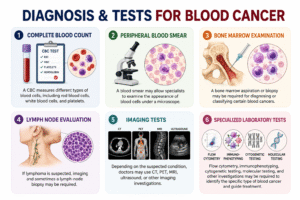
Complete Blood Count
A CBC measures different types of blood cells, including red blood cells, white blood cells, and platelets.
Peripheral Blood Smear
A blood smear may allow specialists to examine the appearance of blood cells under a microscope.
Bone Marrow Examination
A bone marrow aspiration or biopsy may be required for diagnosing or classifying certain blood cancers.
Lymph Node Evaluation
If lymphoma is suspected, imaging and sometimes a lymph-node biopsy may be required.
Imaging Tests
Depending on the suspected condition, doctors may use CT, PET, MRI, ultrasound, or other imaging investigations.
Specialized Laboratory Tests
Flow cytometry, immunophenotyping, cytogenetic testing, molecular testing, and other investigations may be required to identify the specific type of blood cancer and guide treatment.
The exact diagnostic approach depends on the symptoms and suspected disease.
When Should You Visit a Hematologist Doctor in Indore?
You should consider consulting a Hematologist Doctor in Indore when you have persistent or unexplained:
- Fatigue
- Fever
- Night sweats
- Weight loss
- Bruising
- Bleeding
- Recurrent infections
- Enlarged lymph nodes
- Bone pain
- Abnormal blood counts
- Unexplained anemia
- Persistent weakness
A hematologist can review your medical history, perform an examination, interpret blood-test results, and recommend further investigations when required.
Blood Cancer Treatment in Indore
Treatment depends on the exact type of blood cancer, its stage or risk category, genetic and molecular characteristics, overall health, age, and treatment goals.
Depending on the diagnosis, treatment may include:
- Chemotherapy
- Targeted therapy
- Immunotherapy
- Radiation therapy
- Supportive treatment
- Blood transfusions
- Stem cell transplantation
- Bone marrow transplantation
- Observation in selected slow-growing conditions
Modern blood cancer care is increasingly personalized, with treatment selected according to the specific disease and its biological characteristics.
A Blood Cancer Doctor in Indore can explain the diagnosis and discuss appropriate treatment options.
Leukemia Treatment in Indore
Different types of leukemia require different treatment approaches.
For example, acute leukemia may require intensive treatment, while certain chronic leukemias may be managed using targeted medicines or other approaches depending on the specific disease.
Treatment decisions may consider:
- Type of leukemia
- Age
- Overall health
- Genetic and molecular findings
- Blood counts
- Disease response
- Previous treatment
Appropriate Leukemia Treatment in Indore should therefore be planned by a specialist after complete diagnostic evaluation.
Bone Marrow Transplant in Indore
A bone marrow or stem cell transplant may be recommended for selected patients with certain blood cancers and blood disorders.
The procedure involves replacing diseased or damaged blood-forming cells with healthy blood-forming stem cells.
Depending on the disease and circumstances, transplantation may be considered for conditions such as:
- Certain leukemias
- Selected lymphomas
- Multiple myeloma
- Certain bone marrow disorders
- Some inherited blood disorders
Not every patient with blood cancer requires transplantation.
A specialist evaluates the diagnosis, disease status, overall health, donor availability, previous treatment, and potential benefits before recommending a transplant.
Why Choose Dr. Akshay Lahoti?
Dr. Akshay Lahoti has experience in managing complex hematological conditions and blood cancers. His professional background includes training and work at reputed medical institutions such as AIIMS, Tata Medical Center, and Sanjay Gandhi Post Graduate Institute of Medical Sciences.
His clinical focus includes:
- Blood cancers
- Leukemia
- Lymphoma
- Multiple myeloma
- Sickle cell anemia
- Bone marrow transplantation
- Complex blood disorders
- Hematology care
Patients searching for a Blood Cancer Doctor in Indore may benefit from specialist assessment and personalized treatment planning.
Commitment to Patient Care
Blood disorders and cancer treatment can be physically and emotionally challenging. Dr. Akshay Lahoti focuses on clear communication, careful evaluation, and individualized treatment planning.
The aim of specialist hematology care is to:
- Establish an accurate diagnosis
- Understand the specific blood disorder
- Select appropriate treatment
- Monitor treatment response
- Manage treatment-related complications
- Provide supportive care
- Guide patients through long-term follow-up
Each patient’s treatment plan is different because blood cancers vary significantly in type, biology, progression, and response to treatment.
Can Blood Cancer Be Prevented?
There is no single way to prevent all blood cancers because many develop due to factors that cannot be controlled.
However, maintaining general health and discussing unusual or persistent symptoms with a doctor can help ensure appropriate medical evaluation.
People should avoid assuming that symptoms such as fatigue, fever, or bruising automatically indicate cancer. Most of these symptoms have other possible causes.
The important step is to seek medical advice when symptoms are persistent, unexplained, or worsening.
When Blood Cancer Warning Signs Require Urgent Medical Attention
Some symptoms require immediate medical evaluation rather than waiting for a routine appointment.
Seek urgent care for:
- Severe difficulty breathing
- Uncontrolled bleeding
- Sudden severe weakness
- Confusion
- Loss of consciousness
- Severe chest pain
- High fever with serious weakness
- Sudden neurological symptoms
- Severe bleeding associated with very low blood counts
Certain complications of blood cancers can become medical emergencies and require immediate treatment.
Benefits of Early Evaluation of Blood Cancer Warning Signs
Recognizing Blood Cancer Warning Signs does not mean diagnosing yourself with cancer. The main benefit of early evaluation is finding the actual cause of persistent symptoms.
Early specialist assessment can help with:
- Identifying abnormal blood counts
- Detecting blood disorders
- Confirming or excluding blood cancer
- Starting appropriate treatment when needed
- Identifying complications
- Planning specialist investigations
- Understanding long-term treatment options
The National Cancer Institute also emphasizes that many cancer-like symptoms are caused by conditions other than cancer, but symptoms that do not improve over several weeks should be evaluated.
Frequently Asked Questions About Blood Cancer Warning Signs
What are the most common Blood Cancer Warning Signs?
Common warning signs may include unexplained fatigue, fever, night sweats, unexplained weight loss, frequent infections, easy bruising or bleeding, swollen lymph nodes, bone pain, and shortness of breath. These symptoms can have many other causes and do not automatically mean cancer.
Does fatigue always mean blood cancer?
No. Fatigue is very common and can result from anemia, infections, sleep problems, stress, nutritional deficiencies, thyroid disorders, and many other conditions. Persistent unexplained fatigue should be evaluated.
What are the warning signs of leukemia?
Leukemia may cause fatigue, weakness, fever, frequent infections, easy bruising, bleeding, shortness of breath, bone or joint pain, weight loss, and abdominal fullness.
Can swollen lymph nodes mean blood cancer?
Swollen lymph nodes can occur with lymphoma, but infections are much more common causes. Persistent, painless, enlarging, or unexplained lymph-node swelling should be evaluated by a doctor.
What tests are used to detect blood cancer?
Doctors may use a complete blood count, peripheral blood smear, bone marrow examination, imaging, lymph-node biopsy, flow cytometry, molecular testing, and other specialized tests depending on the suspected disease.
When should I see a Hematologist Doctor in Indore?
You should consider seeing a Hematologist Doctor in Indore if you have unexplained abnormal blood counts, persistent fatigue, recurrent infections, unusual bruising or bleeding, unexplained fever, night sweats, enlarged lymph nodes, or persistent bone pain.
Is every abnormal blood test a sign of blood cancer?
No. Abnormal blood counts can occur because of infections, nutritional deficiencies, medications, autoimmune conditions, and many other disorders. Additional evaluation is needed to determine the cause.
Does every blood cancer patient need a bone marrow transplant?
No. A Bone Marrow Transplant in Indore or elsewhere is appropriate only for selected patients depending on the type of disease, disease status, treatment response, overall health, and other factors.
Can blood cancer be treated?
Many blood cancers can be treated using chemotherapy, targeted medicines, immunotherapy, radiation, stem-cell transplantation, supportive care, or combinations of these treatments. The appropriate treatment depends on the exact type and characteristics of the disease.
Conclusion: Recognizing Blood Cancer Warning Signs Can Encourage Timely Evaluation
Blood cancer includes several different diseases, including leukemia, lymphoma, and multiple myeloma. Their symptoms can vary, but persistent fatigue, unexplained fever, night sweats, weight loss, frequent infections, unusual bruising or bleeding, swollen lymph nodes, and bone pain are some symptoms that should be medically evaluated.
It is important to remember that these symptoms do not automatically mean a person has cancer. Many common illnesses can cause similar symptoms. However, symptoms that persist for several weeks, become worse, or occur in combination should not be ignored.
Dr. Akshay Lahoti is an experienced Hematologist Doctor in Indore with expertise in blood disorders, leukemia, lymphoma, multiple myeloma, sickle cell anemia, and bone marrow transplantation. A specialist evaluation can help identify the cause of symptoms and determine whether further blood tests, bone marrow examination, imaging, or other investigations are required.
If you notice persistent Blood Cancer Warning Signs, do not rely on self-diagnosis. Timely consultation with a qualified Blood Cancer Doctor in Indore can help establish an accurate diagnosis and, when necessary, begin appropriate Blood Cancer Treatment in Indore.