
Leukemia is a type of blood cancer that affects the blood-forming tissues, particularly the bone marrow, where blood cells are produced. It develops when abnormal white blood cells begin growing uncontrollably and interfere with the normal production of healthy blood cells. These abnormal cells may gradually affect the body’s ability to fight infections, carry oxygen, and control bleeding. Understanding the early warning signs and seeking appropriate medical evaluation are important steps in managing this condition.
People searching for Leukemia Treatment in Indore should understand that leukemia is not a single disease. It includes different types that vary in their development, progression, and treatment requirements. Some forms progress rapidly, while others develop slowly over several years. Early symptoms may include persistent fatigue, frequent infections, unexplained fever, easy bruising, and unusual bleeding.
Dr. Akshay Lahoti, associated with Medicare Hospital and Research Centre, Old Palasia, Ravindra Nagar, Indore, provides consultation for various blood-related conditions, including leukemia and other hematological disorders. Consulting a qualified specialist can help patients understand their symptoms, diagnostic reports, and appropriate treatment options. This article explains the early symptoms, possible causes, different types, diagnostic procedures, and available treatment approaches for leukemia.
What Is Leukemia and How Does It Affect the Body?
Leukemia is a cancer that begins in the bone marrow or blood-forming cells. Under normal circumstances, bone marrow produces red blood cells, white blood cells, and platelets in a controlled manner. Each type of blood cell performs an essential function.
-
Red blood cells: Carry oxygen from the lungs to different parts of the body.
-
White blood cells: Help the immune system fight infections.
-
Platelets: Help the blood clot and control bleeding.
In leukemia, abnormal blood cells multiply uncontrollably and interfere with the production and functioning of healthy blood cells. As the number of abnormal cells increases, the body may develop anemia, reduced immunity, and bleeding-related problems. A specialist providing Blood Cancer Treatment in Indore evaluates the type of leukemia, its progression, and the patient’s overall health before recommending a treatment plan.
What Happens in the Bone Marrow?
Bone marrow is the soft tissue inside certain bones where blood cells are produced. In leukemia, abnormal cells may accumulate in the bone marrow and reduce the production of healthy blood cells.
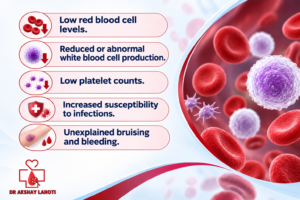
This can result in:
-
Low red blood cell levels.
-
Reduced or abnormal white blood cell production.
-
Low platelet counts.
-
Increased susceptibility to infections.
-
Unexplained bruising and bleeding.
The severity and combination of these problems depend on the type and stage of the disease.
Different Types of Leukemia
Leukemia is classified according to how quickly it progresses and which type of blood cell becomes abnormal. Understanding the classification is important because treatment approaches differ between leukemia types.
1. Acute Lymphoblastic Leukemia (ALL)
Acute lymphoblastic leukemia develops from immature lymphoid cells, also known as lymphoblasts. It generally progresses quickly and requires prompt medical evaluation and treatment. ALL is more common in children, although adults can also develop this condition. Symptoms may include fever, fatigue, bone pain, frequent infections, and unexplained bruising.
2. Acute Myeloid Leukemia (AML)
Acute myeloid leukemia develops from abnormal myeloid cells in the bone marrow. It can progress rapidly and interfere with normal blood cell production. Common symptoms include weakness, recurrent infections, pale skin, bleeding, and unexplained fever. Treatment generally requires specialized hematological and oncology care.
3. Chronic Lymphocytic Leukemia (CLL)
Chronic lymphocytic leukemia affects lymphocytes, a type of white blood cell. It usually progresses more slowly than acute leukemia. Some patients may not experience noticeable symptoms during the early stages. The condition may be discovered through routine blood investigations showing an increased lymphocyte count. Depending on the disease activity, patients may require regular monitoring or treatment.
4. Chronic Myeloid Leukemia (CML)
Chronic myeloid leukemia develops from myeloid blood-forming cells and is commonly associated with a genetic abnormality called the Philadelphia chromosome, which produces the BCR::ABL1 fusion gene. CML often progresses slowly during its chronic phase. However, it requires appropriate monitoring and treatment to prevent disease progression. A Blood Cancer Specialist in Indore can help determine the type of leukemia through clinical assessment, blood investigations, and specialized diagnostic testing.
Early Symptoms of Leukemia You Should Not Ignore
The early symptoms of leukemia can vary depending on the type of disease, the rate of progression, and the number of healthy blood cells affected. Some patients experience noticeable symptoms, while others may have no significant complaints during the initial stages. Recognizing Leukemia Symptoms in Indore and seeking timely medical advice can help identify the underlying cause. The following are some common warning signs.
1. Persistent Fatigue and Weakness
Persistent tiredness is one of the common symptoms associated with leukemia. When abnormal cells interfere with red blood cell production, the body may develop anemia. Reduced hemoglobin levels can affect oxygen delivery to tissues and cause weakness.
Common symptoms include:
-
Continuous tiredness despite adequate rest.
-
Reduced physical stamina.
-
Dizziness or lightheadedness.
-
Pale skin.
-
Breathlessness during routine activities.
If fatigue continues without an obvious explanation, a CBC test may help identify changes in blood cell levels.
2. Frequent Infections and Persistent Fever
White blood cells help protect the body against infections. However, leukemia can interfere with the production and functioning of normal white blood cells.
Patients may experience:
-
Repeated bacterial or viral infections.
-
Fever without an identifiable cause.
-
Frequent mouth ulcers.
-
Infections that take longer to resolve.
-
General weakness during illness.
Persistent or recurrent fever, particularly in someone with an abnormal blood count, requires medical assessment. Patients with known neutropenia or undergoing cancer treatment should seek urgent medical advice for fever.
3. Unexplained Bruising and Bleeding
Platelets help the blood form clots and prevent excessive bleeding. When leukemia affects platelet production, patients may develop unusual bruising or bleeding.
Possible warning signs include:
-
Frequent nosebleeds.
-
Bleeding gums.
-
Small red or purple spots on the skin.
-
Bruises without noticeable injuries.
-
Prolonged bleeding from minor cuts.
These Leukemia Symptoms in Indore should be evaluated, especially when they occur alongside fatigue, fever, or other unusual symptoms. Severe or uncontrolled bleeding requires immediate medical attention.
4. Unexplained Weight Loss
Unexpected weight loss without changes in diet or physical activity may sometimes occur in people with leukemia. This can happen because abnormal cells affect normal body functions and increase the body’s metabolic demands. Patients may also experience reduced appetite, weakness, and general discomfort. Unexplained weight loss alone does not confirm leukemia. However, when it occurs with persistent fever, night sweats, or abnormal blood reports, further evaluation may be necessary.
5. Swollen Lymph Nodes
Lymph nodes are small structures that form part of the immune system. They are commonly found in the neck, armpits, and groin. Some types of leukemia can cause lymph node enlargement. Patients may notice painless swelling in these areas.
However, swollen lymph nodes are more commonly associated with infections and other conditions. A Hematologist in Indore may recommend additional examinations if the swelling persists or occurs with other concerning symptoms.
6. Bone and Joint Pain
Abnormal blood cells can accumulate in the bone marrow and increase pressure within the affected areas. This may cause bone or joint discomfort.
Patients may experience:
-
Persistent bone pain.
-
Joint discomfort.
-
Pain that becomes more noticeable at night.
-
Reduced physical activity due to discomfort.
Bone pain may occur in several medical conditions, particularly in children. Persistent or unexplained pain should be medically evaluated.
7. Night Sweats and Loss of Appetite
Some patients experience excessive sweating during sleep, even when the surrounding temperature is comfortable. Reduced appetite and unexplained fever may also occur. These symptoms are not specific to leukemia and can develop due to infections, hormonal changes, and other illnesses. However, persistent symptoms accompanied by abnormal blood counts should not be ignored. If several of these symptoms occur together, consulting a Blood Cancer Specialist in Indore may help determine whether specialized investigations are necessary.
What Causes Leukemia?
The exact cause of leukemia is not always known. It generally develops when genetic changes occur in the DNA of blood-forming cells, causing them to grow and multiply abnormally. These changes may affect the normal process of blood cell development and allow abnormal cells to survive longer than healthy cells. Several factors may increase the risk of developing leukemia.
1. Genetic Changes
Changes in the DNA of bone marrow cells can interfere with normal blood cell development. Certain genetic abnormalities are associated with specific leukemia types. For example, the Philadelphia chromosome is associated with chronic myeloid leukemia.
2. Exposure to Radiation
High levels of ionizing radiation have been associated with an increased risk of certain types of leukemia. The level of risk depends on the amount and duration of exposure.
3. Chemical Exposure
Long-term exposure to certain industrial chemicals, particularly benzene, is associated with an increased risk of some blood cancers.
4. Previous Cancer Treatment
Some chemotherapy medicines and radiation treatments used for earlier cancers may increase the risk of developing treatment-related leukemia later in life.
5. Certain Genetic Conditions
Some inherited conditions, such as Down syndrome and Fanconi anemia, are associated with an increased risk of particular leukemia types.
6. Smoking
Smoking is an established risk factor for acute myeloid leukemia. Avoiding tobacco can help reduce several health risks.
It is important to understand that having one or more risk factors does not mean a person will necessarily develop leukemia. Many patients develop the condition without any identifiable risk factors.
A Leukemia Doctor in Indore can evaluate individual symptoms and medical history to determine whether further testing is appropriate.
How Is Leukemia Diagnosed?
Accurate diagnosis is essential because different leukemia types require different treatment approaches. Leukemia Diagnosis in Indore generally involves clinical evaluation, blood investigations, and specialized laboratory procedures.
The diagnostic process may include the following tests.
1. Complete Blood Count (CBC)
A complete blood count is usually one of the first investigations performed when leukemia is suspected.
It measures:
-
Red blood cell count.
-
Hemoglobin levels.
-
White blood cell count.
-
Platelet count.
Abnormal results may indicate changes in blood cell production. However, a CBC alone cannot confirm leukemia.
2. Peripheral Blood Smear
A peripheral blood smear involves examining a blood sample under a microscope.
It helps identify:
-
Abnormal blood cell shapes.
-
Immature white blood cells.
-
Changes in cell size.
-
Unusual cell distribution.
This test provides additional information about blood cell appearance and may help guide further investigations.
3. Bone Marrow Aspiration and Biopsy
Bone marrow examination is an important diagnostic procedure for many leukemia types. During aspiration, a small amount of liquid bone marrow is collected using a specialised needle. A biopsy involves collecting a small tissue sample. These samples help doctors evaluate abnormal cells, determine the proportion of immature cells, and assess bone marrow function.
4. Flow Cytometry
Flow cytometry is a laboratory technique used to identify specific proteins on the surface or inside blood cells. It helps determine the type and characteristics of abnormal cells and is particularly useful for classifying leukemia.
5. Cytogenetic and Molecular Testing
Specialized genetic investigations help identify chromosomal abnormalities and molecular changes associated with leukemia.
Examples include:
-
Philadelphia chromosome testing.
-
BCR::ABL1 molecular testing.
-
Other chromosome and gene analysis.
-
Molecular tests relevant to specific leukemia subtypes.
These investigations can help classify the disease and guide treatment selection.
6. Additional Investigations
Depending on the suspected leukemia type, doctors may recommend:
-
Kidney and liver function tests.
-
Blood clotting investigations.
-
Imaging studies when clinically indicated.
-
Additional molecular and genetic tests.
Not every patient requires every investigation. The diagnostic plan depends on symptoms, examination findings, and initial test results.
A Hematologist in Indore can review the findings and explain whether further diagnostic procedures are necessary. Dr. Akshay Lahoti provides consultation for patients requiring evaluation of blood abnormalities and suspected hematological conditions.
Available Treatment Options for Leukemia
Leukemia Treatment in Indore depends on the specific leukemia subtype, genetic characteristics, disease progression, patient’s age, general health, and treatment response. There is no single treatment suitable for every patient. Some forms require immediate treatment, while selected slow-growing leukemia types may initially be managed through regular monitoring.
Common treatment approaches include the following.
1. Chemotherapy
Chemotherapy uses medicines to destroy cancer cells or prevent them from multiplying.
It is an important treatment approach for several leukemia types, particularly acute leukemia.
Chemotherapy may be given through:
-
Intravenous injections.
-
Oral medicines.
-
Combination treatment regimens.
The medicines, treatment schedule, and duration depend on the leukemia subtype and the patient’s clinical condition.
2. Targeted Therapy
Targeted therapy uses medicines that act on specific molecular changes or proteins involved in cancer cell growth. For example, tyrosine kinase inhibitors are commonly used in chronic myeloid leukemia associated with the BCR::ABL1 fusion gene.
Targeted treatment selection depends on molecular testing and the individual diagnosis.
3. Immunotherapy
Immunotherapy helps the immune system recognize or attack cancer cells.
Depending on the leukemia subtype, treatment may include:
-
Monoclonal antibodies.
-
Bispecific antibody therapies.
-
CAR T-cell therapy in selected cases.
These treatments are not suitable for every patient and require specialized evaluation.
4. Stem Cell or Bone Marrow Transplant
A stem cell transplant may be considered for selected patients with certain leukemia types. The procedure involves replacing damaged or abnormal blood-forming cells with healthy blood-forming stem cells obtained from a suitable donor or, in selected circumstances, from the patient.
A transplant may be recommended based on:
-
Leukemia subtype.
-
Genetic risk classification.
-
Response to initial treatment.
-
Risk of disease relapse.
-
Patient fitness and donor availability.
It is a complex treatment that requires specialized medical facilities and careful monitoring.
5. Radiation Therapy
Radiation therapy uses high-energy radiation to destroy cancer cells in specific areas.
It is not routinely required for all leukemia patients. However, it may be considered in selected situations, depending on the disease and treatment plan.
6. Supportive Care
Supportive care plays an important role during leukemia treatment. It helps manage symptoms and complications associated with the disease or its treatment.
Supportive measures may include:
-
Red blood cell or platelet transfusions when required.
-
Infection prevention and treatment.
-
Nutritional support.
-
Management of treatment-related side effects.
-
Regular monitoring of blood parameters.
Patients looking for Blood Cancer Treatment in Indore should understand that treatment decisions must be made after confirming the leukemia subtype and assessing individual medical requirements.
Why Is Early Diagnosis Important in Leukemia?
Early diagnosis helps doctors identify the leukemia subtype and determine the most appropriate treatment approach. Although symptoms may initially appear similar to common infections or nutritional deficiencies, persistent abnormalities in blood reports should be investigated.
Timely Leukemia Diagnosis in Indore can help establish the disease classification and identify whether treatment should begin immediately or whether regular monitoring is appropriate.
Early evaluation may help with:
-
Identifying abnormal blood cell production.
-
Determining the specific leukemia subtype.
-
Understanding genetic and molecular characteristics.
-
Selecting an appropriate treatment approach.
-
Monitoring treatment response.
-
Identifying complications that require medical attention.
Not all leukemia types progress at the same rate. Therefore, treatment timing should be based on the confirmed diagnosis rather than symptoms alone.
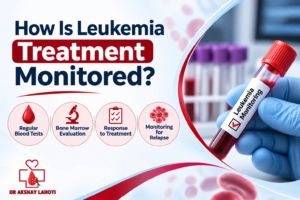
How Is Leukemia Treatment Monitored?
Monitoring is an essential part of leukemia management. Doctors regularly assess the patient’s response to treatment and check for possible complications.
Depending on the treatment plan, monitoring may include:
Regular blood tests: CBC tests help monitor hemoglobin, white blood cells, and platelet levels.
Bone marrow assessment: Selected patients may require repeat bone marrow examinations to evaluate treatment response.
Molecular testing: Certain leukemia types require molecular monitoring to assess changes in specific genetic markers.
Infection monitoring: Patients receiving chemotherapy may have a higher risk of infections due to reduced immunity.
Side-effect assessment: Doctors evaluate treatment-related problems and adjust supportive care when required.
A qualified Blood Cancer Specialist in Indore can determine the appropriate monitoring schedule according to the patient’s diagnosis and treatment response.
When Should You Consult a Leukemia Specialist?
You should consider consulting a specialist if you experience persistent fatigue, unexplained fever, frequent infections, unusual bleeding, or abnormal blood test results.
A medical consultation may also be recommended when:
-
Your CBC report repeatedly shows abnormal blood cell counts.
-
You have unexplained bruising or bleeding.
-
Lymph nodes remain enlarged without a clear cause.
-
You experience persistent weakness or unexplained weight loss.
-
Your physician suspects a blood-related condition.
-
You have already been diagnosed with a hematological disorder and require specialist management.
People seeking a Leukemia Doctor in Indore should bring their previous blood reports, prescriptions, medical history, and relevant investigation results for evaluation. Dr. Akshay Lahoti provides hematology consultation at Medicare Hospital and Research Centre, Old Palasia, Ravindra Nagar, Indore. Patients can discuss persistent blood-related symptoms and abnormal laboratory findings to understand the need for further evaluation.
Consult Dr. Akshay Lahoti for Leukemia Evaluation in Indore
Leukemia requires accurate diagnosis, appropriate disease classification, and an individualized treatment plan. Since different types of leukemia behave differently, treatment decisions should always be based on detailed medical evaluation and specialized investigations. Dr. Akshay Lahoti, associated with Medicare Hospital and Research Centre, Old Palasia, Ravindra Nagar, Indore, provides consultation for various hematological conditions, including anemia, platelet disorders, blood cancers, and other blood-related diseases.
Patients searching for Leukemia Treatment in Indore can seek a consultation to discuss symptoms, review abnormal blood reports, and understand the next steps in diagnosis and management. A consultation may involve reviewing medical history, assessing symptoms, examining previous investigations, and recommending additional tests when clinically necessary.
For patients requiring Blood Cancer Treatment in Indore, treatment selection depends on the confirmed diagnosis, disease characteristics, and overall health. Seeking advice from an experienced Hematologist in Indore can help patients understand their condition and make informed decisions regarding further medical care.
Frequently Asked Questions – Leukemia Treatment in Indore
1. What are the early symptoms of leukemia?
Early symptoms may include persistent fatigue, unexplained fever, frequent infections, unusual bruising, bleeding gums, swollen lymph nodes, and unexplained weight loss. These Leukemia Symptoms in Indore are not specific to cancer and may occur in other medical conditions. However, persistent or unexplained symptoms should be evaluated by a doctor.
2. What causes leukemia?
Leukemia develops due to genetic changes in blood-forming cells that affect their normal growth and development. Certain factors, including exposure to high levels of radiation, benzene, smoking, previous cancer treatments, and some inherited conditions, may increase the risk. However, many patients develop leukemia without any identifiable risk factor.
3. How is leukemia diagnosed?
Leukemia Diagnosis in Indore may involve a complete blood count, peripheral blood smear, bone marrow aspiration, bone marrow biopsy, flow cytometry, and molecular testing. These investigations help identify abnormal blood cells and determine the specific leukemia subtype. A CBC alone cannot confirm the diagnosis.
4. Can leukemia be treated successfully?
Many forms of leukemia have established treatment options. Outcomes depend on the leukemia subtype, genetic characteristics, disease stage, age, general health, and response to treatment. Some patients may achieve long-term remission, while others require ongoing treatment and monitoring. A Blood Cancer Specialist in Indore can explain the treatment options based on individual findings.
5. What is the difference between acute and chronic leukemia?
Acute leukemia generally develops rapidly and involves immature blood cells. It usually requires prompt treatment. Chronic leukemia generally develops more slowly and may involve more mature but abnormal blood cells. Some chronic leukemia patients may initially require regular monitoring instead of immediate treatment.
6. Is chemotherapy necessary for every leukemia patient?
No. Chemotherapy is used for several leukemia types, particularly acute leukemia, but it is not required in every case. Depending on the diagnosis, treatment may involve targeted medicines, immunotherapy, stem cell transplantation, or active monitoring. The appropriate Blood Cancer Treatment in Indore depends on the specific disease and its characteristics.
7. Can leukemia be detected through a routine blood test?
A routine CBC may show abnormalities such as an unusually high or low white blood cell count, reduced hemoglobin, or low platelets. These findings may raise suspicion of leukemia, but they do not confirm it. Additional investigations, including bone marrow examination and specialized testing, may be necessary.
8. When should I consult a hematologist for suspected leukemia?
You should consider consulting a Hematologist in Indore if you have persistent unexplained fatigue, recurrent infections, abnormal blood counts, unusual bleeding, or unexplained bruising. A specialist can review your medical history and determine whether further investigations are required. Patients looking for a Leukemia Doctor in Indore can consult Dr. Akshay Lahoti for hematological evaluation.
9. Where can I consult Dr. Akshay Lahoti in Indore?
Patients seeking a Blood Cancer Specialist in Indore can consult Dr. Akshay Lahoti at Medicare Hospital and Research Centre, Old Palasia, Ravindra Nagar, Indore. He provides consultation for various blood-related conditions, including anemia, platelet disorders, and other hematological diseases. Patients should confirm consultation availability before visiting.
10. Is leukemia a hereditary disease?
Most leukemia cases are not directly inherited from parents. However, certain inherited genetic conditions may increase the risk of developing particular leukemia types. Having a family history does not automatically mean that another family member will develop leukemia. Medical assessment may be recommended when there are specific concerns about inherited risk.
Conclusion – Leukemia Treatment in Indore
Leukemia is a complex blood cancer that affects the production and functioning of normal blood cells. Its symptoms may include persistent fatigue, frequent infections, unexplained bruising, fever, swollen lymph nodes, and unusual bleeding. Recognizing these warning signs and seeking appropriate medical evaluation can help identify the condition. Accurate diagnosis is essential because acute and chronic leukemia types require different treatment approaches. Blood investigations, bone marrow examination, flow cytometry, and molecular testing help doctors determine the specific disease and plan suitable management. If you are looking for Leukemia Treatment in Indore, Dr. Akshay Lahoti provides hematology consultation at Medicare Hospital and Research Centre, Old Palasia, Ravindra Nagar, Indore. Timely medical assessment, appropriate investigations, and individualized treatment planning are important steps in managing leukemia.